Buy seohero.eu ?
We are moving the project
seohero.eu .
Are you interested in purchasing the domain
seohero.eu ?
domain@kv-gmbh.de · 0541-91531010
Buy seohero.eu ?
'Will + participle 2?'
"Will + participle 2" is a construction used to form the future perfect tense in English. It is used to indicate an action that will be completed before a specific point in the future. This construction is formed by using the auxiliary verb "will" followed by the past participle of the main verb. For example, "By the time you arrive, I will have finished my homework." **
What are the Latin forms of the present participle, perfect passive participle, and future active participle?
The Latin present participle is formed by adding -ns, -ntis to the present stem of the verb. For example, the present participle of the verb "amo" (I love) is "amans, amantis" (loving). The perfect passive participle is formed by adding -us, -a, -um to the verb stem. For example, the perfect passive participle of the verb "amo" is "amatus, amata, amatum" (loved). The future active participle is formed by adding -urus, -ura, -urum to the verb stem. For example, the future active participle of the verb "amo" is "amaturus, amatura, amaturum" (about to love). **

Similar search terms for Participle
Top-Angebote
Products related to Participle:
-
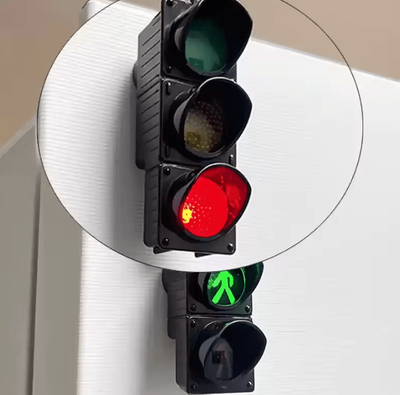
Inspire Curations Mini Traffic Light Magnetic Refrigerator Magnet Decoration traffic LightBring a playful street scene to your home with this traffic light refrigerator magnet. Designed to resemble a real pedestrian traffic signal, this creative magnet adds personality to refrigerators, lockers, whiteboards, and other magnetic surfaces....50,50 $*Shipping: 0,00 $Secure redirect to the provider
-
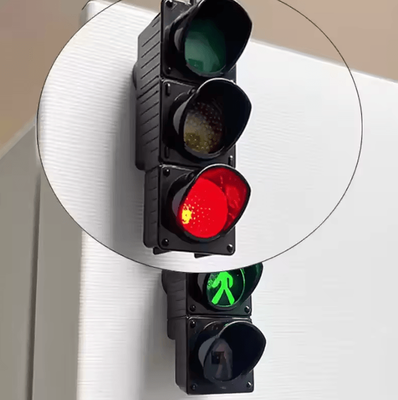
Inspire Curations Traffic Light Magnetic Fridge Magnet Decorative Toy traffic LightBring a playful touch to your kitchen or workspace with this traffic light fridge magnet inspired by real pedestrian crossing signals. Designed with colorful traffic light details and a strong magnetic backing, it's a fun decoration that also helps...50,00 $*Shipping: 0,00 $Secure redirect to the provider
-
Uplift Picks Traffic Light And Pedestrian Signal Refrigerator Magnet traffic LightGive your space a playful cityinspired accent with this traffic light refrigerator magnet. Designed like a miniature traffic signal or pedestrian light, it brings character to refrigerators, lockers, cabinets, and magnetic whiteboards. The compact...50,00 $*Shipping: 0,00 $Secure redirect to the provider
-
Uplifted Finds Traffic Light Magnetic Refrigerator Sticker & Creative Toy traffic LightAdd a playful, urban touch to your kitchen or workspace with our New Traffic Light Magnetic Refrigerator Sticker. Engineered with creative traffic toy styling featuring pedestrian and signal lights, this charming magnetic accessory combines fun...34,97 $*Shipping: 0,00 $Secure redirect to the provider

-
What are participle clauses?
Participle clauses are a type of clause that uses a present participle (-ing form) or a past participle (-ed form) to provide additional information about the subject of the main clause. They can be used to show simultaneous actions, cause and effect, or to provide descriptive details. For example, in the sentence "Feeling tired, she decided to go to bed," the participle clause "Feeling tired" provides additional information about the subject "she." **
-
What is a participle?
A participle is a form of a verb that can function as an adjective or be part of a verb phrase. There are two types of participles in English: the present participle, which ends in -ing (e.g. "walking"), and the past participle, which can end in -ed, -en, -d, -t, -n, or -ne (e.g. "broken"). Participles are used to modify nouns or pronouns, and they can also be used to form verb tenses such as the present perfect or past perfect. **
-
What is the difference between the past participle and the present participle?
The past participle is a verb form used to indicate a completed action or state that occurred in the past. It is often used with auxiliary verbs to form the perfect tenses (e.g., "has eaten," "had gone"). The present participle, on the other hand, is a verb form used to indicate an ongoing action or state in the present or future. It is formed by adding "-ing" to the base form of the verb and is used to create the progressive tenses (e.g., "is eating," "will be going"). **
-
How can the terms premature, simultaneous, and subsequent be explained in relation to past participle, present participle, and future participle?
The terms premature, simultaneous, and subsequent can be explained in relation to past participle, present participle, and future participle based on their timing in relation to the action of the verb. The past participle refers to an action that has already been completed, making it premature in relation to the present moment. The present participle refers to an action that is happening at the same time as something else, making it simultaneous. The future participle refers to an action that will happen at a later time, making it subsequent to the present moment. These terms help to clarify the timing of the action in relation to the verb. **

What is a nominalized participle?
A nominalized participle is a verb form that has been turned into a noun. This is done by adding a suffix to the participle form of the verb, which allows it to function as a noun in a sentence. Nominalized participles are commonly used in various languages to express actions or qualities in a more abstract or general way. **
What is a substantivized participle?
A substantivized participle is a verb form that has been turned into a noun by adding a definite article and declining it for case, gender, and number. In other words, it is a participle that has been transformed into a noun and can function as a subject, object, or complement in a sentence. This process allows the participle to take on the characteristics of a noun while still retaining some of its verbal qualities. **
Top-Angebote
Products related to Participle:
-
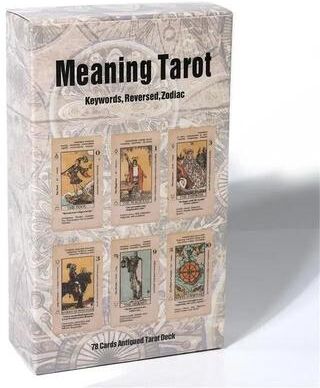
Uplifted Finds Beginner Tarot Deck With Keywords & Meanings Antiqued Learning Tarot 78 Card Set Beginner Tarot Deck With Keywords & Meanings Antiqued Learning Tarot 78 Card SetCommand ultimate spiritual confidence with the Beginner Learning Tarot System, a highperformance metaphysical solution specifically engineered to act as a comprehensive tool for elite organization and superior technical ergonomics. Built with a...44,97 $*Shipping: 0,00 $Secure redirect to the provider
-
GlowBake Advanced Skin Tester, Face Skin Moisture & Oil Content Analyzer Advanced Skin Tester, Face Skin Moisture & Oil Content AnalyzerDiscover your skins true condition with our advanced Skin Tester a compact yet powerful face skin analyzer designed to measure moisture, oil content, skin water, cheek elastic quality, and even estimate skin age in seconds. Ideal for home use or pro...27,97 $*Shipping: 0,00 $Secure redirect to the provider
-
Inspire Curations Mini Traffic Light Magnetic Refrigerator Magnet Decoration traffic LightBring a playful street scene to your home with this traffic light refrigerator magnet. Designed to resemble a real pedestrian traffic signal, this creative magnet adds personality to refrigerators, lockers, whiteboards, and other magnetic surfaces....50,50 $*Shipping: 0,00 $Secure redirect to the provider
-
Inspire Curations Traffic Light Magnetic Fridge Magnet Decorative Toy traffic LightBring a playful touch to your kitchen or workspace with this traffic light fridge magnet inspired by real pedestrian crossing signals. Designed with colorful traffic light details and a strong magnetic backing, it's a fun decoration that also helps...50,00 $*Shipping: 0,00 $Secure redirect to the provider
-
'Will + participle 2?'
"Will + participle 2" is a construction used to form the future perfect tense in English. It is used to indicate an action that will be completed before a specific point in the future. This construction is formed by using the auxiliary verb "will" followed by the past participle of the main verb. For example, "By the time you arrive, I will have finished my homework." **
-
What are the Latin forms of the present participle, perfect passive participle, and future active participle?
The Latin present participle is formed by adding -ns, -ntis to the present stem of the verb. For example, the present participle of the verb "amo" (I love) is "amans, amantis" (loving). The perfect passive participle is formed by adding -us, -a, -um to the verb stem. For example, the perfect passive participle of the verb "amo" is "amatus, amata, amatum" (loved). The future active participle is formed by adding -urus, -ura, -urum to the verb stem. For example, the future active participle of the verb "amo" is "amaturus, amatura, amaturum" (about to love). **
-
What are participle clauses?
Participle clauses are a type of clause that uses a present participle (-ing form) or a past participle (-ed form) to provide additional information about the subject of the main clause. They can be used to show simultaneous actions, cause and effect, or to provide descriptive details. For example, in the sentence "Feeling tired, she decided to go to bed," the participle clause "Feeling tired" provides additional information about the subject "she." **
-
What is a participle?
A participle is a form of a verb that can function as an adjective or be part of a verb phrase. There are two types of participles in English: the present participle, which ends in -ing (e.g. "walking"), and the past participle, which can end in -ed, -en, -d, -t, -n, or -ne (e.g. "broken"). Participles are used to modify nouns or pronouns, and they can also be used to form verb tenses such as the present perfect or past perfect. **
Similar search terms for Participle
-
Uplift Picks Traffic Light And Pedestrian Signal Refrigerator Magnet traffic LightGive your space a playful cityinspired accent with this traffic light refrigerator magnet. Designed like a miniature traffic signal or pedestrian light, it brings character to refrigerators, lockers, cabinets, and magnetic whiteboards. The compact...50,00 $*Shipping: 0,00 $Secure redirect to the provider
-
Uplifted Finds Traffic Light Magnetic Refrigerator Sticker & Creative Toy traffic LightAdd a playful, urban touch to your kitchen or workspace with our New Traffic Light Magnetic Refrigerator Sticker. Engineered with creative traffic toy styling featuring pedestrian and signal lights, this charming magnetic accessory combines fun...34,97 $*Shipping: 0,00 $Secure redirect to the provider
-
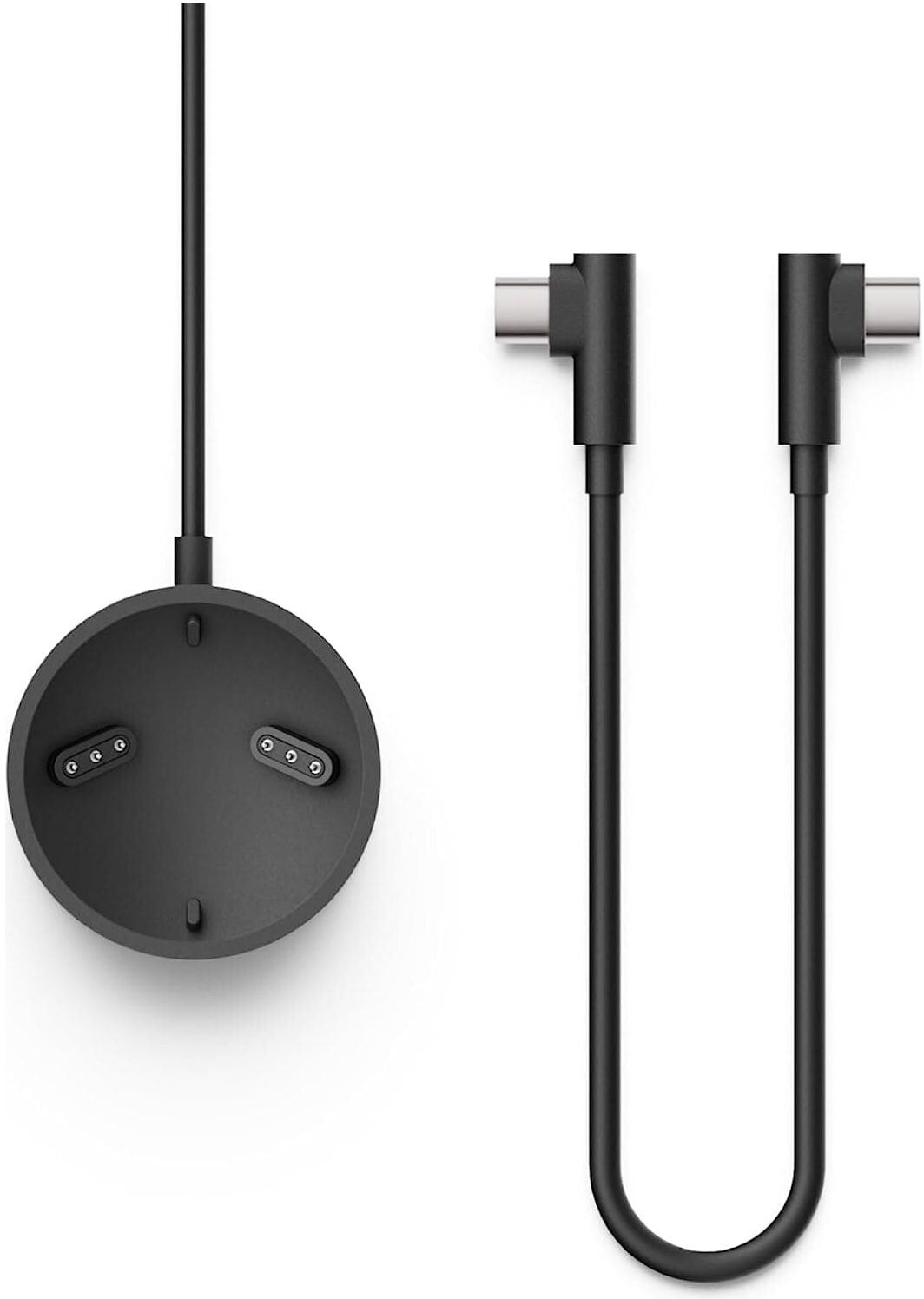
Meta Quest Pro Compact Charging Dock, NewOverview Keep your VR setup powered, organised and ready for action with the Meta Quest Pro Compact Charging Dock . Designed for a cleaner, more convenient charging experience, this compact 2-in-1 dock helps charge your Meta Quest Pro headset and Meta Quest Touch Pro controllers from one dedicated station. Whether used at home, in a studio, office, demo space or gaming setup, it removes charging clutter and keeps your headset ready whenever inspiration, work or entertainment begins. Key Features & Benefits Charge Your Headset and Controllers in One Place The 2-in-1 dock is designed to charge your Meta Quest Touch Pro controllers and a compatible Meta Quest headset with USB-C charging, helping keep your full VR setup powered together. Less Cable Clutter, Cleaner Setup Instead of separate leads across your desk or gaming area, the compact dock creates a neater charging point, making your space look more professional and organised. Ready Whenever You Are Keep your headset and controllers topped up between sessions, so you can jump into mixed reality, VR gaming, creative work or collaboration without hunting for chargers. Compact Design for Travel or Storage The smaller dock design makes it easier to carry, store or position neatly in a workspace, gaming room or display area. Optimised Charging with 45W Power Adapter A 45W power adapter is designed to provide strong charging performance, helping power your headset and controllers efficiently. Premium Meta Design Finish The black finish and Meta-style industrial design complement the Quest Pro ecosystem, giving your setup a clean, high-end accessory look. Ideal for Professional and Creative Use Perfect for users who rely on Quest Pro for productivity, design, collaboration, VR demos or immersive workflows, where keeping devices charged and ready matters. USB-C Headset Compatibility The dock is designed to work with Meta Quest headsets that support USB-C charging, giving added flexibility across compatible Meta Quest devices.79,00 £*Shipping: 0,00 £Secure redirect to the provider
-
Uplifted Finds New Traffic Light Magnetic Refrigerator Sticker & Creative Toy Decoration traffic LightAdd a playful, urban twist to your kitchen with our New Traffic Light Magnetic Refrigerator Sticker. Engineered with creative pedestrian and traffic signal designs, this fun magnetic toy accessory brings vibrant color and personality to your...33,97 $*Shipping: 0,00 $Secure redirect to the provider
-
What is the difference between the past participle and the present participle?
The past participle is a verb form used to indicate a completed action or state that occurred in the past. It is often used with auxiliary verbs to form the perfect tenses (e.g., "has eaten," "had gone"). The present participle, on the other hand, is a verb form used to indicate an ongoing action or state in the present or future. It is formed by adding "-ing" to the base form of the verb and is used to create the progressive tenses (e.g., "is eating," "will be going"). **
-
How can the terms premature, simultaneous, and subsequent be explained in relation to past participle, present participle, and future participle?
The terms premature, simultaneous, and subsequent can be explained in relation to past participle, present participle, and future participle based on their timing in relation to the action of the verb. The past participle refers to an action that has already been completed, making it premature in relation to the present moment. The present participle refers to an action that is happening at the same time as something else, making it simultaneous. The future participle refers to an action that will happen at a later time, making it subsequent to the present moment. These terms help to clarify the timing of the action in relation to the verb. **
-
What is a nominalized participle?
A nominalized participle is a verb form that has been turned into a noun. This is done by adding a suffix to the participle form of the verb, which allows it to function as a noun in a sentence. Nominalized participles are commonly used in various languages to express actions or qualities in a more abstract or general way. **
-
What is a substantivized participle?
A substantivized participle is a verb form that has been turned into a noun by adding a definite article and declining it for case, gender, and number. In other words, it is a participle that has been transformed into a noun and can function as a subject, object, or complement in a sentence. This process allows the participle to take on the characteristics of a noun while still retaining some of its verbal qualities. **
* All prices are inclusive of VAT and, if applicable, plus shipping costs. The offer information is based on the details provided by the respective shop and is updated through automated processes. Real-time updates do not occur, so deviations can occur in individual cases. ** Note: Parts of this content were created by AI.