Buy seohero.eu ?
We are moving the project
seohero.eu .
Are you interested in purchasing the domain
seohero.eu ?
domain@kv-gmbh.de · 0541-91531010
Buy seohero.eu ?
How are eudaimonia and daimonion connected in Socrates' philosophy?
In Socrates' philosophy, eudaimonia refers to human flourishing or living a fulfilling life. Daimonion, on the other hand, refers to a divine sign or inner voice that guides individuals towards what is right and virtuous. Socrates believed that following one's daimonion would lead to eudaimonia, as it would guide individuals towards living a virtuous and fulfilling life. Therefore, the connection between eudaimonia and daimonion lies in the belief that following one's inner divine sign will ultimately lead to a flourishing and fulfilling life. **
What are the differences and similarities between eudaimonia and deontology?
Eudaimonia and deontology are both ethical theories, but they differ in their approach. Eudaimonia, often associated with Aristotle, focuses on the concept of human flourishing and living a virtuous life to achieve happiness. Deontology, on the other hand, is a moral theory that emphasizes the importance of following rules and duties to determine what is right or wrong, regardless of the consequences. Both theories aim to guide individuals in making ethical decisions, but eudaimonia is more focused on the overall well-being and character development of a person, while deontology is more concerned with the principles and duties that should be followed in moral decision-making. **
Similar search terms for Eudaimonia
Top-Angebote
Products related to Eudaimonia:
-
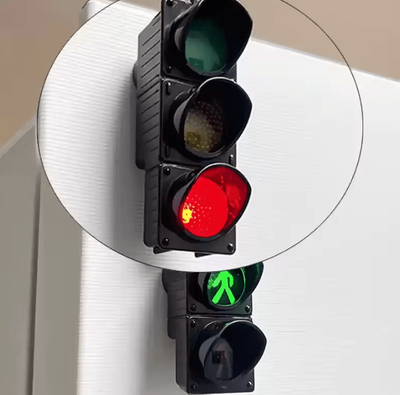
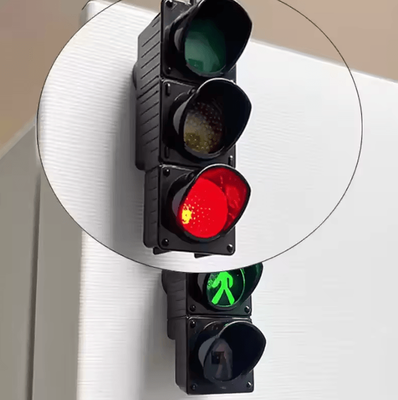
Inspire Curations Mini Traffic Light Magnetic Refrigerator Magnet Decoration traffic LightBring a playful street scene to your home with this traffic light refrigerator magnet. Designed to resemble a real pedestrian traffic signal, this creative magnet adds personality to refrigerators, lockers, whiteboards, and other magnetic surfaces....50,50 $*Shipping: 0,00 $Secure redirect to the provider
-
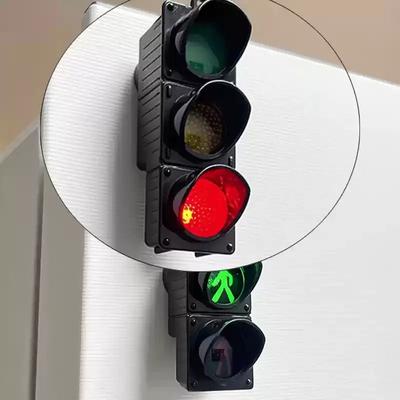
Uplift Picks Traffic Light And Pedestrian Signal Refrigerator Magnet traffic LightGive your space a playful cityinspired accent with this traffic light refrigerator magnet. Designed like a miniature traffic signal or pedestrian light, it brings character to refrigerators, lockers, cabinets, and magnetic whiteboards. The compact...50,00 $*Shipping: 0,00 $Secure redirect to the provider
-
Uplifted Finds Traffic Light Magnetic Refrigerator Sticker & Creative Toy traffic LightAdd a playful, urban touch to your kitchen or workspace with our New Traffic Light Magnetic Refrigerator Sticker. Engineered with creative traffic toy styling featuring pedestrian and signal lights, this charming magnetic accessory combines fun...34,97 $*Shipping: 0,00 $Secure redirect to the provider
-
Inspire Curations Traffic Light Magnetic Fridge Magnet Decorative Toy traffic LightBring a playful touch to your kitchen or workspace with this traffic light fridge magnet inspired by real pedestrian crossing signals. Designed with colorful traffic light details and a strong magnetic backing, it's a fun decoration that also helps...50,00 $*Shipping: 0,00 $Secure redirect to the provider

-
How are reason, language, and eudaimonia connected according to Aristotle?
According to Aristotle, reason, language, and eudaimonia are interconnected in the pursuit of human flourishing. Reason allows humans to engage in rational thought and make choices that lead to a virtuous and fulfilling life. Language enables individuals to communicate and express their thoughts, allowing for the sharing of knowledge and the development of moral virtues. Eudaimonia, or human flourishing, is achieved through the cultivation of virtues and the use of reason to make choices that lead to a life of purpose and fulfillment. Therefore, reason and language are essential tools in the pursuit of eudaimonia, as they enable individuals to develop and express their moral virtues and make choices that lead to a flourishing life. **
-
How are Eudaimonia and Daimonion related in the philosophy of Socrates?
In the philosophy of Socrates, Eudaimonia refers to human flourishing or living a life of fulfillment and happiness. Daimonion, on the other hand, refers to the inner voice or guiding spirit that Socrates believed each person possessed. Socrates believed that by following one's daimonion and living a virtuous life, one could achieve eudaimonia. Therefore, the relationship between Eudaimonia and Daimonion in Socrates' philosophy is that by listening to and following one's inner voice or daimonion, one can achieve a state of eudaimonia or true happiness and fulfillment. **
-
How are eudaimonia and daimonion related in the philosophy of Socrates?
In the philosophy of Socrates, eudaimonia refers to human flourishing or living a life of virtue and excellence. Daimonion, on the other hand, refers to the inner voice or guiding spirit that Socrates believed was a divine sign guiding him towards moral decisions. Socrates believed that following the guidance of his daimonion would lead to eudaimonia, as it would help him make virtuous choices and live a life in accordance with reason and moral principles. Thus, the relationship between eudaimonia and daimonion in Socrates' philosophy is that following the inner voice of daimonion is essential for achieving eudaimonia or human flourishing. **
-
How can one best differentiate between happiness, bliss, and eudaimonia according to Aristotle?
According to Aristotle, happiness (eudaimonia) is the ultimate goal of human life and is achieved through the cultivation of virtue and the fulfillment of one's potential. Bliss, on the other hand, is a state of extreme joy or contentment, often temporary and dependent on external circumstances. To differentiate between the two, one must consider that happiness is a more enduring and holistic state, encompassing a sense of fulfillment and purpose, while bliss is a fleeting emotional experience. Ultimately, Aristotle's concept of eudaimonia emphasizes the importance of living a virtuous and meaningful life, which goes beyond mere pleasure or temporary joy. **


Why, according to Aristotle, is happiness (Eudaimonia) not equivalent to having good luck (Eutychia)?
According to Aristotle, happiness (Eudaimonia) is not equivalent to having good luck (Eutychia) because happiness is a state of being that is achieved through virtuous actions and living a life in accordance with reason and moral virtue. Good luck, on the other hand, is external and based on chance or circumstances beyond one's control. Aristotle believed that true happiness comes from within and is the result of living a life of virtue, rather than relying on external factors like luck. **
Why, according to Aristotle, is happiness (Eudaimonia) not to be equated with having good luck (Eutychia)?
According to Aristotle, happiness (Eudaimonia) is not to be equated with having good luck (Eutychia) because happiness is not dependent on external circumstances or luck. Instead, happiness is the result of living a virtuous and fulfilling life, which requires deliberate action and cultivation of moral character. Good luck, on the other hand, is based on external factors that are beyond our control, and therefore cannot be the ultimate source of true and lasting happiness. Aristotle believed that true happiness comes from within, through the practice of virtue and the development of a well-lived life. **
Top-Angebote
Products related to Eudaimonia:
-
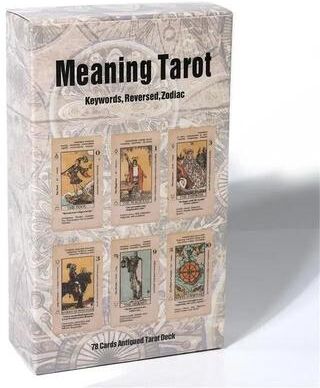
Uplifted Finds Beginner Tarot Deck With Keywords & Meanings Antiqued Learning Tarot 78 Card Set Beginner Tarot Deck With Keywords & Meanings Antiqued Learning Tarot 78 Card SetCommand ultimate spiritual confidence with the Beginner Learning Tarot System, a highperformance metaphysical solution specifically engineered to act as a comprehensive tool for elite organization and superior technical ergonomics. Built with a...44,97 $*Shipping: 0,00 $Secure redirect to the provider
-
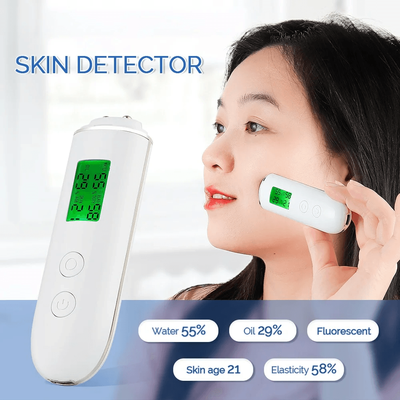
GlowBake Advanced Skin Tester, Face Skin Moisture & Oil Content Analyzer Advanced Skin Tester, Face Skin Moisture & Oil Content AnalyzerDiscover your skins true condition with our advanced Skin Tester a compact yet powerful face skin analyzer designed to measure moisture, oil content, skin water, cheek elastic quality, and even estimate skin age in seconds. Ideal for home use or pro...27,97 $*Shipping: 0,00 $Secure redirect to the provider
-
Inspire Curations Mini Traffic Light Magnetic Refrigerator Magnet Decoration traffic LightBring a playful street scene to your home with this traffic light refrigerator magnet. Designed to resemble a real pedestrian traffic signal, this creative magnet adds personality to refrigerators, lockers, whiteboards, and other magnetic surfaces....50,50 $*Shipping: 0,00 $Secure redirect to the provider
-
Uplift Picks Traffic Light And Pedestrian Signal Refrigerator Magnet traffic LightGive your space a playful cityinspired accent with this traffic light refrigerator magnet. Designed like a miniature traffic signal or pedestrian light, it brings character to refrigerators, lockers, cabinets, and magnetic whiteboards. The compact...50,00 $*Shipping: 0,00 $Secure redirect to the provider
-
How are eudaimonia and daimonion connected in Socrates' philosophy?
In Socrates' philosophy, eudaimonia refers to human flourishing or living a fulfilling life. Daimonion, on the other hand, refers to a divine sign or inner voice that guides individuals towards what is right and virtuous. Socrates believed that following one's daimonion would lead to eudaimonia, as it would guide individuals towards living a virtuous and fulfilling life. Therefore, the connection between eudaimonia and daimonion lies in the belief that following one's inner divine sign will ultimately lead to a flourishing and fulfilling life. **
-
What are the differences and similarities between eudaimonia and deontology?
Eudaimonia and deontology are both ethical theories, but they differ in their approach. Eudaimonia, often associated with Aristotle, focuses on the concept of human flourishing and living a virtuous life to achieve happiness. Deontology, on the other hand, is a moral theory that emphasizes the importance of following rules and duties to determine what is right or wrong, regardless of the consequences. Both theories aim to guide individuals in making ethical decisions, but eudaimonia is more focused on the overall well-being and character development of a person, while deontology is more concerned with the principles and duties that should be followed in moral decision-making. **
-
How are reason, language, and eudaimonia connected according to Aristotle?
According to Aristotle, reason, language, and eudaimonia are interconnected in the pursuit of human flourishing. Reason allows humans to engage in rational thought and make choices that lead to a virtuous and fulfilling life. Language enables individuals to communicate and express their thoughts, allowing for the sharing of knowledge and the development of moral virtues. Eudaimonia, or human flourishing, is achieved through the cultivation of virtues and the use of reason to make choices that lead to a life of purpose and fulfillment. Therefore, reason and language are essential tools in the pursuit of eudaimonia, as they enable individuals to develop and express their moral virtues and make choices that lead to a flourishing life. **
-
How are Eudaimonia and Daimonion related in the philosophy of Socrates?
In the philosophy of Socrates, Eudaimonia refers to human flourishing or living a life of fulfillment and happiness. Daimonion, on the other hand, refers to the inner voice or guiding spirit that Socrates believed each person possessed. Socrates believed that by following one's daimonion and living a virtuous life, one could achieve eudaimonia. Therefore, the relationship between Eudaimonia and Daimonion in Socrates' philosophy is that by listening to and following one's inner voice or daimonion, one can achieve a state of eudaimonia or true happiness and fulfillment. **
Similar search terms for Eudaimonia
-
Uplifted Finds Traffic Light Magnetic Refrigerator Sticker & Creative Toy traffic LightAdd a playful, urban touch to your kitchen or workspace with our New Traffic Light Magnetic Refrigerator Sticker. Engineered with creative traffic toy styling featuring pedestrian and signal lights, this charming magnetic accessory combines fun...34,97 $*Shipping: 0,00 $Secure redirect to the provider
-
Inspire Curations Traffic Light Magnetic Fridge Magnet Decorative Toy traffic LightBring a playful touch to your kitchen or workspace with this traffic light fridge magnet inspired by real pedestrian crossing signals. Designed with colorful traffic light details and a strong magnetic backing, it's a fun decoration that also helps...50,00 $*Shipping: 0,00 $Secure redirect to the provider
-
Meta Quest 3 512GB VR HeadsetStep into new worlds of immersive entertainment with the Meta Quest 3 VR Headset 512GB in sleek White. Combining powerful performance, stunning visuals, and intuitive comfort, it’s designed to bring virtual reality to life like never before. Equipped with a high‑resolution display and next‑generation graphics, the Quest 3 delivers crisp, detailed visuals that make games, experiences, and environments feel incredibly real. With 512GB of storage, you’ll have ample space to download and enjoy your favourite VR games, apps, and media without worrying about running out of room. Thanks to advanced inside‑out tracking, you can move freely and naturally in your space—no external sensors required. The ergonomic design and adjustable head strap provide maximum comfort for extended play sessions, while intuitive touch controllers let you interact with virtual worlds with precision and ease. Whether you’re exploring breathtaking landscapes, playing immersive games, enjoying 360° videos, or connecting with friends in shared VR spaces, Meta Quest 3 combines power and simplicity for an unforgettable experience. The sleek White finish adds a modern, premium look that fits perfectly in any setup. Your journey into virtual reality starts here bigger, bolder, and more immersive than ever with the Meta Quest 3 VR Headset 512GB.489,99 £*Shipping: 0,00 £Secure redirect to the provider
-
Rotolight VideoVlogging RL48 LED Ring Light Kit for Content CreatorsRotolight VideoVlogging RL48 LED Ring Light Kit – For Content Creators The Rotolight VideoVlogging RL48 LED Ring Light Kit is designed to deliver professional-quality lighting for content creators, vloggers, and photographers. It provides soft, even illumination that enhances facial features, reduces shadows, and improves overall video and photo quality. Compact and easy to use, the RL48 is ideal for streaming, makeup tutorials, video calls, and social media content creation. Its lightweight design makes it highly portable, allowing you to set up professional lighting anywhere, whether at home or on the go.16,99 £*Shipping: 0,00 £Secure redirect to the provider
-
How are eudaimonia and daimonion related in the philosophy of Socrates?
In the philosophy of Socrates, eudaimonia refers to human flourishing or living a life of virtue and excellence. Daimonion, on the other hand, refers to the inner voice or guiding spirit that Socrates believed was a divine sign guiding him towards moral decisions. Socrates believed that following the guidance of his daimonion would lead to eudaimonia, as it would help him make virtuous choices and live a life in accordance with reason and moral principles. Thus, the relationship between eudaimonia and daimonion in Socrates' philosophy is that following the inner voice of daimonion is essential for achieving eudaimonia or human flourishing. **
-
How can one best differentiate between happiness, bliss, and eudaimonia according to Aristotle?
According to Aristotle, happiness (eudaimonia) is the ultimate goal of human life and is achieved through the cultivation of virtue and the fulfillment of one's potential. Bliss, on the other hand, is a state of extreme joy or contentment, often temporary and dependent on external circumstances. To differentiate between the two, one must consider that happiness is a more enduring and holistic state, encompassing a sense of fulfillment and purpose, while bliss is a fleeting emotional experience. Ultimately, Aristotle's concept of eudaimonia emphasizes the importance of living a virtuous and meaningful life, which goes beyond mere pleasure or temporary joy. **
-
Why, according to Aristotle, is happiness (Eudaimonia) not equivalent to having good luck (Eutychia)?
According to Aristotle, happiness (Eudaimonia) is not equivalent to having good luck (Eutychia) because happiness is a state of being that is achieved through virtuous actions and living a life in accordance with reason and moral virtue. Good luck, on the other hand, is external and based on chance or circumstances beyond one's control. Aristotle believed that true happiness comes from within and is the result of living a life of virtue, rather than relying on external factors like luck. **
-
Why, according to Aristotle, is happiness (Eudaimonia) not to be equated with having good luck (Eutychia)?
According to Aristotle, happiness (Eudaimonia) is not to be equated with having good luck (Eutychia) because happiness is not dependent on external circumstances or luck. Instead, happiness is the result of living a virtuous and fulfilling life, which requires deliberate action and cultivation of moral character. Good luck, on the other hand, is based on external factors that are beyond our control, and therefore cannot be the ultimate source of true and lasting happiness. Aristotle believed that true happiness comes from within, through the practice of virtue and the development of a well-lived life. **
* All prices are inclusive of VAT and, if applicable, plus shipping costs. The offer information is based on the details provided by the respective shop and is updated through automated processes. Real-time updates do not occur, so deviations can occur in individual cases. ** Note: Parts of this content were created by AI.