Buy seohero.eu ?
We are moving the project
seohero.eu .
Are you interested in purchasing the domain
seohero.eu ?
domain@kv-gmbh.de · 0541-91531010
Buy seohero.eu ?
What does media literacy mean?
Media literacy refers to the ability to access, analyze, evaluate, and create media in a variety of forms. It involves understanding how media messages are constructed, and being able to critically assess the information and ideas presented. Media literacy also includes the skills to effectively communicate through media, and to use media in a responsible and ethical manner. Overall, media literacy empowers individuals to be informed and active participants in our media-saturated society. **
Does the truth really need media literacy?
Yes, the truth does need media literacy. Media literacy helps individuals critically analyze and evaluate the information they consume, enabling them to discern between factual information and misinformation. In today's digital age, where information is easily accessible and can be easily manipulated, media literacy is essential for ensuring that the truth is not distorted or misrepresented. By being media literate, individuals can better navigate the vast amount of information available to them and make informed decisions based on accurate and reliable sources. **

Similar search terms for Literacy
Top-Angebote
Products related to Literacy:
-
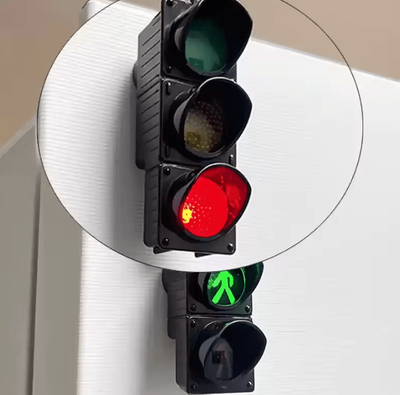
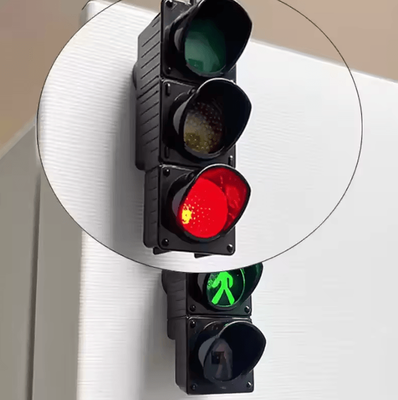
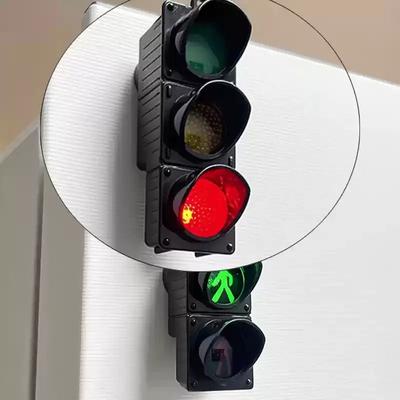
Inspire Curations Mini Traffic Light Magnetic Refrigerator Magnet Decoration traffic LightBring a playful street scene to your home with this traffic light refrigerator magnet. Designed to resemble a real pedestrian traffic signal, this creative magnet adds personality to refrigerators, lockers, whiteboards, and other magnetic surfaces....50,50 $*Shipping: 0,00 $Secure redirect to the provider
-
Inspire Curations Traffic Light Magnetic Fridge Magnet Decorative Toy traffic LightBring a playful touch to your kitchen or workspace with this traffic light fridge magnet inspired by real pedestrian crossing signals. Designed with colorful traffic light details and a strong magnetic backing, it's a fun decoration that also helps...50,00 $*Shipping: 0,00 $Secure redirect to the provider
-
Uplift Picks Traffic Light And Pedestrian Signal Refrigerator Magnet traffic LightGive your space a playful cityinspired accent with this traffic light refrigerator magnet. Designed like a miniature traffic signal or pedestrian light, it brings character to refrigerators, lockers, cabinets, and magnetic whiteboards. The compact...50,00 $*Shipping: 0,00 $Secure redirect to the provider
-
Uplifted Finds Traffic Light Magnetic Refrigerator Sticker & Creative Toy traffic LightAdd a playful, urban touch to your kitchen or workspace with our New Traffic Light Magnetic Refrigerator Sticker. Engineered with creative traffic toy styling featuring pedestrian and signal lights, this charming magnetic accessory combines fun...34,97 $*Shipping: 0,00 $Secure redirect to the provider

-
What are the differences between mathematical literacy and mathematics?
Mathematical literacy refers to the ability to understand and use mathematics in everyday life, such as interpreting data, making decisions based on numerical information, and solving practical problems. It focuses on the application of mathematical concepts in real-world situations. On the other hand, mathematics is the academic discipline that involves the study of numbers, quantities, shapes, and patterns, and the relationships between them. It is a more formal and abstract study of mathematical concepts, often involving rigorous proofs and theoretical frameworks. While mathematical literacy emphasizes practical application, mathematics focuses on theoretical understanding and development of mathematical principles. **
-
What are the differences between basic mathematical literacy and mathematics?
Basic mathematical literacy refers to the ability to understand and use fundamental mathematical concepts and skills, such as arithmetic, basic algebra, and geometry, to solve everyday problems. It involves being able to interpret and use numbers, measurements, and basic mathematical operations in practical situations. On the other hand, mathematics encompasses a much broader and deeper understanding of mathematical concepts, theories, and principles. It involves the study of advanced topics such as calculus, statistics, and abstract algebra, and the ability to apply mathematical reasoning and problem-solving skills to complex and theoretical problems. In essence, mathematical literacy is a foundational understanding of basic mathematical concepts, while mathematics involves a more advanced and comprehensive study of the subject. **
-
Should media literacy not become a mandatory subject in schools?
Media literacy should become a mandatory subject in schools because it is essential for students to develop critical thinking skills and the ability to analyze and evaluate media messages. In today's digital age, students are constantly bombarded with information from various sources, and it is crucial for them to be able to discern between credible and unreliable sources. Media literacy also helps students understand the impact of media on society and their own lives, empowering them to make informed decisions. By integrating media literacy into the curriculum, schools can better prepare students to navigate the complex media landscape and become responsible, discerning consumers of information. **
-
Does anyone know good arguments for why media literacy is so important?
Media literacy is crucial in today's digital age because it helps individuals critically analyze and evaluate the information they consume. By understanding how media messages are constructed and the potential biases they may contain, people can make more informed decisions and avoid being manipulated by false or misleading content. Media literacy also empowers individuals to be active and responsible participants in society, enabling them to engage in meaningful discussions, challenge misinformation, and contribute to a more informed and democratic society. **


When can one expect measures to promote media literacy in children and adolescents?
Measures to promote media literacy in children and adolescents can be expected to be implemented in educational settings, such as schools and after-school programs. Additionally, parents and caregivers can also play a crucial role in promoting media literacy by engaging in conversations with their children about media content and teaching them critical thinking skills. Furthermore, government and non-profit organizations may also implement initiatives to promote media literacy through public awareness campaigns and policy advocacy. Overall, promoting media literacy in children and adolescents is an ongoing effort that involves collaboration between various stakeholders. **
What responsibility do parents and legal guardians have in promoting media literacy in children?
Parents and legal guardians have a significant responsibility in promoting media literacy in children. They should actively engage with their children about the media they consume, teaching them to critically analyze and question the messages and content they encounter. It is important for parents to set guidelines and boundaries for media use, and to model healthy media consumption habits themselves. By fostering open communication and providing guidance, parents and legal guardians can help children develop the skills to navigate and understand the media landscape. **
Top-Angebote
Products related to Literacy:
-
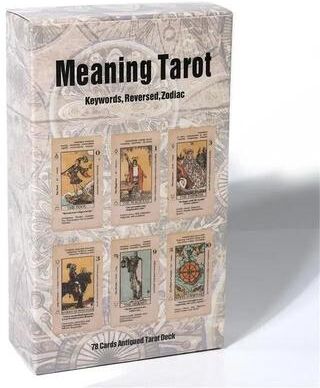
Uplifted Finds Beginner Tarot Deck With Keywords & Meanings Antiqued Learning Tarot 78 Card Set Beginner Tarot Deck With Keywords & Meanings Antiqued Learning Tarot 78 Card SetCommand ultimate spiritual confidence with the Beginner Learning Tarot System, a highperformance metaphysical solution specifically engineered to act as a comprehensive tool for elite organization and superior technical ergonomics. Built with a...44,97 $*Shipping: 0,00 $Secure redirect to the provider
-
GlowBake Advanced Skin Tester, Face Skin Moisture & Oil Content Analyzer Advanced Skin Tester, Face Skin Moisture & Oil Content AnalyzerDiscover your skins true condition with our advanced Skin Tester a compact yet powerful face skin analyzer designed to measure moisture, oil content, skin water, cheek elastic quality, and even estimate skin age in seconds. Ideal for home use or pro...27,97 $*Shipping: 0,00 $Secure redirect to the provider
-
Inspire Curations Mini Traffic Light Magnetic Refrigerator Magnet Decoration traffic LightBring a playful street scene to your home with this traffic light refrigerator magnet. Designed to resemble a real pedestrian traffic signal, this creative magnet adds personality to refrigerators, lockers, whiteboards, and other magnetic surfaces....50,50 $*Shipping: 0,00 $Secure redirect to the provider
-
Inspire Curations Traffic Light Magnetic Fridge Magnet Decorative Toy traffic LightBring a playful touch to your kitchen or workspace with this traffic light fridge magnet inspired by real pedestrian crossing signals. Designed with colorful traffic light details and a strong magnetic backing, it's a fun decoration that also helps...50,00 $*Shipping: 0,00 $Secure redirect to the provider
-
What does media literacy mean?
Media literacy refers to the ability to access, analyze, evaluate, and create media in a variety of forms. It involves understanding how media messages are constructed, and being able to critically assess the information and ideas presented. Media literacy also includes the skills to effectively communicate through media, and to use media in a responsible and ethical manner. Overall, media literacy empowers individuals to be informed and active participants in our media-saturated society. **
-
Does the truth really need media literacy?
Yes, the truth does need media literacy. Media literacy helps individuals critically analyze and evaluate the information they consume, enabling them to discern between factual information and misinformation. In today's digital age, where information is easily accessible and can be easily manipulated, media literacy is essential for ensuring that the truth is not distorted or misrepresented. By being media literate, individuals can better navigate the vast amount of information available to them and make informed decisions based on accurate and reliable sources. **
-
What are the differences between mathematical literacy and mathematics?
Mathematical literacy refers to the ability to understand and use mathematics in everyday life, such as interpreting data, making decisions based on numerical information, and solving practical problems. It focuses on the application of mathematical concepts in real-world situations. On the other hand, mathematics is the academic discipline that involves the study of numbers, quantities, shapes, and patterns, and the relationships between them. It is a more formal and abstract study of mathematical concepts, often involving rigorous proofs and theoretical frameworks. While mathematical literacy emphasizes practical application, mathematics focuses on theoretical understanding and development of mathematical principles. **
-
What are the differences between basic mathematical literacy and mathematics?
Basic mathematical literacy refers to the ability to understand and use fundamental mathematical concepts and skills, such as arithmetic, basic algebra, and geometry, to solve everyday problems. It involves being able to interpret and use numbers, measurements, and basic mathematical operations in practical situations. On the other hand, mathematics encompasses a much broader and deeper understanding of mathematical concepts, theories, and principles. It involves the study of advanced topics such as calculus, statistics, and abstract algebra, and the ability to apply mathematical reasoning and problem-solving skills to complex and theoretical problems. In essence, mathematical literacy is a foundational understanding of basic mathematical concepts, while mathematics involves a more advanced and comprehensive study of the subject. **
Similar search terms for Literacy
-
Uplift Picks Traffic Light And Pedestrian Signal Refrigerator Magnet traffic LightGive your space a playful cityinspired accent with this traffic light refrigerator magnet. Designed like a miniature traffic signal or pedestrian light, it brings character to refrigerators, lockers, cabinets, and magnetic whiteboards. The compact...50,00 $*Shipping: 0,00 $Secure redirect to the provider
-
Uplifted Finds Traffic Light Magnetic Refrigerator Sticker & Creative Toy traffic LightAdd a playful, urban touch to your kitchen or workspace with our New Traffic Light Magnetic Refrigerator Sticker. Engineered with creative traffic toy styling featuring pedestrian and signal lights, this charming magnetic accessory combines fun...34,97 $*Shipping: 0,00 $Secure redirect to the provider
-
Meta Quest Pro Compact Charging Dock, NewOverview Keep your VR setup powered, organised and ready for action with the Meta Quest Pro Compact Charging Dock . Designed for a cleaner, more convenient charging experience, this compact 2-in-1 dock helps charge your Meta Quest Pro headset and Meta Quest Touch Pro controllers from one dedicated station. Whether used at home, in a studio, office, demo space or gaming setup, it removes charging clutter and keeps your headset ready whenever inspiration, work or entertainment begins. Key Features & Benefits Charge Your Headset and Controllers in One Place The 2-in-1 dock is designed to charge your Meta Quest Touch Pro controllers and a compatible Meta Quest headset with USB-C charging, helping keep your full VR setup powered together. Less Cable Clutter, Cleaner Setup Instead of separate leads across your desk or gaming area, the compact dock creates a neater charging point, making your space look more professional and organised. Ready Whenever You Are Keep your headset and controllers topped up between sessions, so you can jump into mixed reality, VR gaming, creative work or collaboration without hunting for chargers. Compact Design for Travel or Storage The smaller dock design makes it easier to carry, store or position neatly in a workspace, gaming room or display area. Optimised Charging with 45W Power Adapter A 45W power adapter is designed to provide strong charging performance, helping power your headset and controllers efficiently. Premium Meta Design Finish The black finish and Meta-style industrial design complement the Quest Pro ecosystem, giving your setup a clean, high-end accessory look. Ideal for Professional and Creative Use Perfect for users who rely on Quest Pro for productivity, design, collaboration, VR demos or immersive workflows, where keeping devices charged and ready matters. USB-C Headset Compatibility The dock is designed to work with Meta Quest headsets that support USB-C charging, giving added flexibility across compatible Meta Quest devices.79,00 £*Shipping: 0,00 £Secure redirect to the provider
-
Uplifted Finds New Traffic Light Magnetic Refrigerator Sticker & Creative Toy Decoration traffic LightAdd a playful, urban twist to your kitchen with our New Traffic Light Magnetic Refrigerator Sticker. Engineered with creative pedestrian and traffic signal designs, this fun magnetic toy accessory brings vibrant color and personality to your...33,97 $*Shipping: 0,00 $Secure redirect to the provider
-
Should media literacy not become a mandatory subject in schools?
Media literacy should become a mandatory subject in schools because it is essential for students to develop critical thinking skills and the ability to analyze and evaluate media messages. In today's digital age, students are constantly bombarded with information from various sources, and it is crucial for them to be able to discern between credible and unreliable sources. Media literacy also helps students understand the impact of media on society and their own lives, empowering them to make informed decisions. By integrating media literacy into the curriculum, schools can better prepare students to navigate the complex media landscape and become responsible, discerning consumers of information. **
-
Does anyone know good arguments for why media literacy is so important?
Media literacy is crucial in today's digital age because it helps individuals critically analyze and evaluate the information they consume. By understanding how media messages are constructed and the potential biases they may contain, people can make more informed decisions and avoid being manipulated by false or misleading content. Media literacy also empowers individuals to be active and responsible participants in society, enabling them to engage in meaningful discussions, challenge misinformation, and contribute to a more informed and democratic society. **
-
When can one expect measures to promote media literacy in children and adolescents?
Measures to promote media literacy in children and adolescents can be expected to be implemented in educational settings, such as schools and after-school programs. Additionally, parents and caregivers can also play a crucial role in promoting media literacy by engaging in conversations with their children about media content and teaching them critical thinking skills. Furthermore, government and non-profit organizations may also implement initiatives to promote media literacy through public awareness campaigns and policy advocacy. Overall, promoting media literacy in children and adolescents is an ongoing effort that involves collaboration between various stakeholders. **
-
What responsibility do parents and legal guardians have in promoting media literacy in children?
Parents and legal guardians have a significant responsibility in promoting media literacy in children. They should actively engage with their children about the media they consume, teaching them to critically analyze and question the messages and content they encounter. It is important for parents to set guidelines and boundaries for media use, and to model healthy media consumption habits themselves. By fostering open communication and providing guidance, parents and legal guardians can help children develop the skills to navigate and understand the media landscape. **
* All prices are inclusive of VAT and, if applicable, plus shipping costs. The offer information is based on the details provided by the respective shop and is updated through automated processes. Real-time updates do not occur, so deviations can occur in individual cases. ** Note: Parts of this content were created by AI.